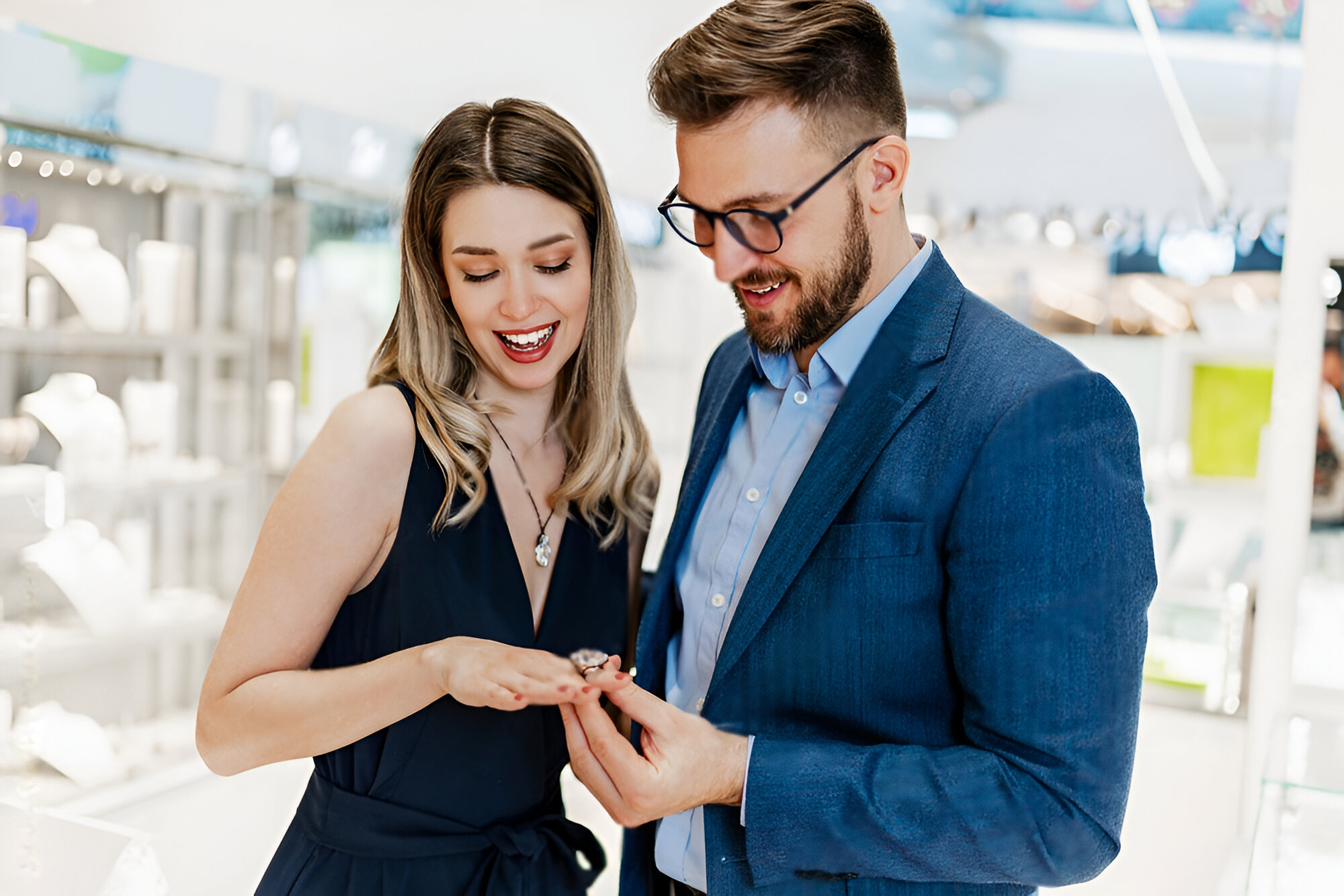
Finding the perfect engagement ring represents one of life’s most meaningful purchases, symbolizing love, commitment, and the promise of a shared future. Whether you’re planning a surprise proposal or shopping together with your partner, selecting the right ring requires careful consideration of style, quality, and personal preferences. Engagement rings have evolved significantly over the centuries, offering today’s couples an incredible variety of options to express their unique love story.
Key Takeaways
- Consider the four C’s when selecting diamonds: cut, color, clarity, and carat weight
- Popular settings include solitaire, halo, three-stone, and vintage-inspired designs
- Budget typically ranges from one to three months’ salary, but personal comfort matters most
- Professional ring sizing ensures optimal comfort and security
- Regular maintenance preserves your ring’s beauty and structural integrity
Understanding Engagement Ring Basics
What Makes an Engagement Ring Special
An engagement ring serves as more than just jewelry—it’s a tangible symbol of your commitment and love. The tradition of giving engagement rings dates back thousands of years, with each element carrying deep symbolic meaning. The circular shape represents eternity and endless love, while the precious materials reflect the value you place on your relationship.
Modern engagement rings typically feature a center stone, usually a diamond or precious gemstone, set in a precious metal band. The center stone draws the eye and serves as the ring’s focal point, while the setting and band provide both security and aesthetic appeal. Today’s couples often choose rings that reflect their personal style, lifestyle needs, and budget considerations.
The History and Tradition Behind Engagement Rings
The practice of exchanging engagement rings originated with ancient Romans, who believed the fourth finger contained a vein that ran directly to the heart. This “vena amoris” or “vein of love” established the tradition of wearing wedding and engagement rings on the left ring finger. The modern diamond engagement ring tradition began in 1477 when Archduke Maximilian of Austria proposed to Mary of Burgundy with a diamond ring.
De Beers’ famous “A Diamond is Forever” campaign in the 1940s solidified diamonds as the traditional choice for engagement rings in Western culture. However, contemporary couples increasingly embrace alternative gemstones, vintage designs, and non-traditional approaches that better reflect their individual personalities and values.
Popular Engagement Ring Styles and Settings
Classic Solitaire Settings
The solitaire setting remains the most popular choice for engagement rings, featuring a single center stone held by four or six prongs. This timeless design maximizes the stone’s visibility and allows maximum light to enter the diamond, creating exceptional brilliance and fire. Solitaire settings work beautifully with round, princess, oval, and cushion-cut diamonds.
Modern solitaire variations include cathedral settings that elevate the center stone, and low-profile options for active lifestyles. The simplicity of solitaire settings makes them versatile enough to pair with various wedding band styles, from simple bands to more elaborate designs featuring additional diamonds or decorative elements.
Vintage and Antique-Inspired Designs
Vintage-inspired engagement rings capture the romantic elegance of bygone eras, featuring intricate details like milgrain edges, filigree work, and art deco geometric patterns. These designs often incorporate smaller accent diamonds or colored gemstones that complement the center stone while adding visual interest and character.
Popular vintage styles include Edwardian rings with delicate platinum settings, Art Deco designs featuring bold geometric shapes, and Victorian-era rings with ornate details and romantic flourishes. Many couples choose vintage-inspired settings to create a unique look that stands apart from contemporary mass-produced designs.
Modern Contemporary Styles
Contemporary engagement ring designs embrace clean lines, innovative settings, and unique architectural elements that appeal to modern sensibilities. These rings often feature tension settings, bezel settings, or asymmetrical designs that create striking visual impact while providing excellent stone security.
Three-Stone Settings
Three-stone engagement rings, also called trinity or trilogy rings, feature a center diamond flanked by two smaller stones. This design symbolizes your past, present, and future together, making it deeply meaningful for many couples. The side stones can match the center stone or feature different shapes and sizes for added visual interest.
Halo Settings
Halo settings surround the center stone with a ring of smaller diamonds, creating the illusion of a larger center stone while adding exceptional sparkle. Double halos feature two concentric rings of diamonds, while vintage-inspired halos often incorporate milgrain details and unique diamond shapes for added character and charm.
Choosing the Perfect Diamond or Gemstone
The Four C’s of Diamond Quality
Understanding diamond quality helps you make informed decisions and maximize your budget. The four C’s—cut, color, clarity, and carat weight—work together to determine a diamond’s beauty, rarity, and value. Each factor affects the diamond’s appearance and price, but their relative importance varies based on personal preferences and budget considerations.
Professional gemological certificates from organizations like GIA or AGS provide objective assessments of these characteristics. These certificates ensure you’re purchasing a quality stone and provide important documentation for insurance purposes.
Cut and Its Impact on Brilliance
Diamond cut refers to how well the stone’s facets interact with light, affecting its brilliance, fire, and scintillation. Excellent cut grades ensure maximum light return, creating the sparkle that makes diamonds so captivating. Popular cuts include round brilliant, princess, oval, cushion, emerald, and pear shapes, each offering unique aesthetic appeal.
Color Grading Explained
Diamond color grading runs from D (colorless) to Z (light yellow or brown), with colorless diamonds being most valuable. However, slight color differences are often imperceptible to untrained eyes, allowing couples to choose lower color grades without sacrificing visual appeal while maximizing budget efficiency.
Clarity and Inclusions
Clarity refers to the presence of internal inclusions or external blemishes. Most inclusions are microscopic and don’t affect the diamond’s beauty when viewed with the naked eye. Choosing VS1 or VS2 clarity grades often provides the best balance of quality and value for engagement ring purchases.
Carat Weight Considerations
Carat weight measures the diamond’s size, with larger stones being rarer and more expensive. However, cut quality affects how large a diamond appears, allowing well-cut stones to look larger than their actual carat weight. Consider your partner’s lifestyle and hand size when selecting appropriate carat weights.
Alternative Gemstone Options
Many couples choose colored gemstones for their engagement rings, embracing options like sapphires, rubies, emeralds, or unique stones like morganite and tanzanite. Colored gemstones offer distinct personalities, often hold special meaning, and can provide excellent value compared to diamonds of similar size.
Consider gemstone hardness for daily wear—sapphires and rubies rate 9 on the Mohs scale, making them excellent choices for engagement rings. Softer stones like emeralds require more careful handling but offer stunning beauty and rich color saturation that many couples find irresistible.
Metal Types and Band Considerations
Precious Metal Options
Platinum remains the most durable choice for engagement rings, naturally white in color and hypoallergenic. Its density and purity make it ideal for securing precious stones, though it comes with a higher price point. White gold offers a similar appearance at a lower cost but requires periodic rhodium plating to maintain its bright white finish.
Yellow gold provides classic warmth and complements most skin tones beautifully. Rose gold has gained popularity for its romantic pink hue created by copper alloys. Consider your partner’s existing jewelry preferences and skin tone when selecting metal types, ensuring the engagement ring coordinates with their personal style.
Band Width and Comfort Factors
Band width affects both the ring’s appearance and comfort. Wider bands make a bolder statement but may feel less comfortable for those unaccustomed to wearing rings. Narrower bands offer delicate elegance and comfortable daily wear. Consider comfort-fit interiors that curve slightly inward, reducing contact area and improving comfort for long-term wear.
The band’s profile also matters—some prefer low profiles that don’t catch on clothing, while others enjoy the presence of higher settings that elevate the center stone. Discuss lifestyle factors like work requirements, hobbies, and personal preferences when making these decisions.
Budget Planning and Shopping Tips
Setting a Realistic Budget
Traditional guidelines suggest spending one to three months’ salary on an engagement ring, but personal financial comfort should take priority. Consider your overall financial goals, including wedding expenses, housing plans, and long-term savings objectives. Many couples find that focusing on the ring’s meaning rather than its price creates more satisfaction with their purchase.
Research average costs in your area and explore various retailers to understand pricing structures. Remember that the most expensive ring isn’t necessarily the best choice—focus on finding a ring that represents your love while fitting comfortably within your financial means.
Where to Shop for Engagement Rings
Traditional jewelry stores offer personal service and the ability to examine rings in person, while online retailers often provide competitive pricing and extensive selections. Consider certified dealers who offer quality guarantees, return policies, and professional certifications. Local jewelers may provide custom design services and ongoing maintenance support that adds long-term value.
Research retailers thoroughly, reading reviews and verifying credentials before making purchases. Many couples benefit from visiting physical stores to understand their preferences before exploring online options for better pricing or unique designs.
Ring Sizing and Customization
Getting the Perfect Fit
Proper ring sizing ensures comfort and security for daily wear. Professional sizing considers finger shape, knuckle size, and seasonal variations that affect fit. Many jewelers offer complimentary sizing services, and some provide sizing adjustments within specified timeframes after purchase.
Consider having sizing done at different times of day, as fingers can swell slightly throughout the day. If purchasing online, use professional sizing tools or visit local jewelers for accurate measurements before ordering.
Custom Design Options
Custom engagement rings allow couples to create truly unique pieces that reflect their personal style and story. Work with experienced designers who can translate your vision into beautiful, structurally sound designs. Custom options range from simple modifications of existing styles to completely original creations designed from scratch.
The custom process typically involves initial consultations, design sketches or CAD renderings, and approval stages before production begins. Allow extra time for custom work, especially if you’re planning a surprise proposal with specific timing requirements.
Care and Maintenance
Proper care preserves your engagement ring’s beauty and structural integrity throughout years of wear. Regular cleaning with gentle soap and warm water removes oils and debris that can dull diamond brilliance. Professional cleanings and inspections every six months help identify potential issues before they become serious problems.
Store your ring safely when not wearing it, avoiding contact with other jewelry that might cause scratches. Remove rings during activities that might damage them, such as gardening, exercising, or household cleaning with harsh chemicals.
The True Meaning Behind Your Choice
Selecting the perfect engagement ring involves balancing personal preferences, quality considerations, and budget constraints to find a symbol that truly represents your love and commitment. Whether you choose a classic solitaire diamond, a vintage-inspired design, or a unique colored gemstone, the most important factor is that the ring reflects your relationship’s special qualities and your partner’s individual style.
Take time to research options, understand quality factors, and work with reputable jewelers who can guide you through the selection process. Remember that the perfect engagement ring is one that brings joy every time your partner looks at it, serving as a daily reminder of your love and the exciting future you’re building together.
How much should I spend on an engagement ring?
Spend what feels comfortable within your budget, typically one to three months’ salary. Focus on finding a ring that represents your love rather than meeting arbitrary spending guidelines. Consider your overall financial goals and prioritize long-term financial health over short-term purchases.
What’s the most popular engagement ring style?
Solitaire settings with round brilliant diamonds remain most popular, comprising about 25% of all engagement ring sales. However, personal preference should guide your choice rather than popularity trends. Consider your partner’s style, lifestyle, and existing jewelry preferences when making selections.
Should I shop for an engagement ring together or surprise my partner?
This depends on your relationship dynamic and your partner’s preferences. Some couples enjoy shopping together to ensure the perfect choice, while others prefer the romance of a surprise proposal. Consider discussing general preferences beforehand without revealing your specific intentions if you want to maintain some element of surprise.